

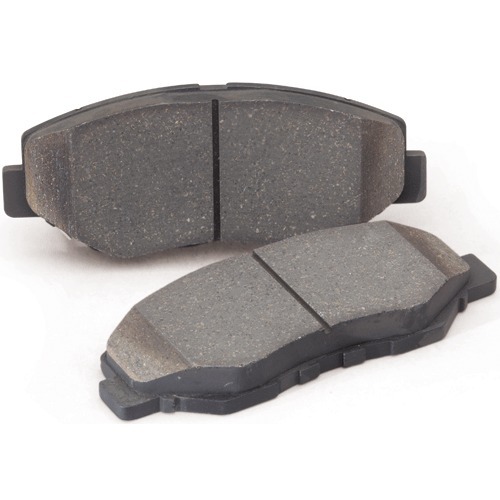
Commercial vehicle brake pad replacement cost depends on the truck or bus, brake system, axle configuration, brake-pad specification, labour charges and whether related components such as discs, calipers or wear sensors also require attention. There is no single replacement price that accurately applies to every commercial vehicle.
A straightforward brake-pad change can cost considerably less than a complete wheel-end brake repair. This is why fleet owners should separate the cost of the brake pads themselves from the total installed brake repair cost when comparing quotations.
Knowing exactly what requires replacement can help you budget more accurately and avoid ordering incompatible components.
What Makes Up the Cost of Commercial Vehicle Brake Pad Replacement?
The total cost can generally be divided into two areas:
1. Parts cost
This includes the brake-pad set and any additional components required during the repair.
2. Labour or installation cost
This covers inspection, removal of the old components, installation, adjustment or servicing where required and final brake checks.
If you purchase brake pads and install them through your own workshop, your direct cost may largely consist of parts and workshop time.
If the vehicle goes to an external commercial vehicle workshop, the final invoice may include both parts and professional labour charges.
Why Do Commercial Vehicle Brake Pad Prices Vary?
Commercial vehicle brake pads are not universal components.
Price can vary according to:
- Truck or bus manufacturer
- Vehicle model
- Production year
- Brake-system manufacturer
- Axle position
- Brake-pad dimensions
- Friction-material specification
- OE, OEM or aftermarket product
- Brand
- Number of pads in the set
- Wear-sensor configuration
- Vehicle weight and duty application
A brake-pad set for one truck model therefore cannot be used as a reliable price reference for every other commercial vehicle.
Even trucks from the same manufacturer can use different brake systems depending on year, axle configuration and vehicle specification.
Is Brake Pad Cost the Same as Total Brake Replacement Cost?
No.
The price of a brake-pad set represents only one part of a possible brake repair.
During replacement, inspection may identify additional components requiring attention, such as:
- Brake discs or rotors
- Brake caliper components
- Pad wear sensors
- Retaining hardware
- Brake chambers or actuators
- Related wheel-end components
If a worn brake pad has been allowed to operate beyond its usable limit, damage to the brake disc can increase the overall repair cost.
Likewise, if premature pad wear was caused by a sticking caliper or brake drag, simply fitting another set of pads may result in the same problem occurring again.
For more information on causes of abnormal brake wear, see common semi truck brake problems.
Can You Replace Only the Brake Pads?
In many cases, brake pads can be replaced without replacing every other brake component, provided the surrounding parts remain within their required service specifications.
However, the brake disc should be inspected when the pads are changed.
Technicians may check the disc for:
- Remaining thickness
- Excessive scoring
- Cracks
- Heat damage
- Uneven wear
- Surface condition
The caliper and associated hardware should also be inspected for correct operation.
A new brake pad cannot compensate for a badly damaged brake disc or a mechanical problem that prevents the brake from operating correctly.
How Often Should Commercial Vehicle Brake Pads Be Replaced?
Commercial vehicle brake pads should be replaced according to their actual condition and specified wear limits rather than a universal mileage figure.
Brake life varies significantly depending on how the vehicle is operated.
Important factors include:
- Vehicle and payload weight
- Number of stops
- Highway versus urban operation
- Mountainous or flat routes
- Driving behaviour
- Brake adjustment
- Brake drag
- Friction-material specification
- Brake-disc condition
- Operating temperatures
For example, a delivery truck operating in city traffic may make far more brake applications than a long-haul truck travelling mostly on expressways.
Two vehicles covering the same mileage can therefore have very different remaining brake-pad thickness.
For a deeper explanation of friction materials and wear, read our guide to brake pads and brake linings.
What Are the Signs That Brake Pads May Need Replacement?
Possible indications include:
- Brake-pad wear warning
- Reduced friction-material thickness
- Grinding or abnormal braking noise
- Uneven pad wear
- Changes in braking response
- Excessive wheel-end heat
- Brake warning indicators
- Visible pad or disc damage
Grinding should be investigated promptly because severe friction-material wear can lead to unwanted contact between metal components and potentially damage the disc.
However, noise alone does not always identify the exact fault. Inspection should confirm the condition of the pads and surrounding brake components.
What Are Brake Pad Wear Indicators?
Commercial vehicle braking systems may use different methods to indicate friction-material wear.
Depending on the system, these can include:
- Visual wear marks
- Mechanical indicators
- Electrical wear sensors
- Electronic or position-based monitoring
A physical inspection allows technicians to assess remaining friction material directly.
Electronic systems may provide warning information through the vehicle dashboard or maintenance system.
Wear indicators are useful, but they should complement scheduled brake inspections rather than replace them.
How Can You Reduce Commercial Vehicle Brake Replacement Costs?
The cheapest brake pad is not always the option that produces the lowest operating cost.
Fleet maintenance decisions should consider:
- Correct fitment
- Suitable friction specification
- Expected service life
- Brake-disc compatibility
- Vehicle duty cycle
- Product quality
- Parts availability
- Downtime
- Replacement frequency
A low-cost pad that wears rapidly or performs poorly in the intended application may require more frequent replacement and increase workshop downtime.
Correct maintenance also matters. Brake drag, sticking components and damaged discs can shorten the service life of otherwise suitable pads.
The goal should therefore be to control total braking-system maintenance cost, rather than considering the purchase price of the friction material alone.
How to Get an Accurate Brake Pad Price
The best way to obtain an accurate commercial vehicle brake-pad price is to identify the exact part required.
Useful information includes:
- Vehicle manufacturer
- Vehicle model
- Production year
- VIN or chassis information where relevant
- Axle position
- Brake manufacturer
- Brake-pad dimensions
- OE part number
- Existing component number
An OE or recognised cross-reference number can significantly reduce uncertainty when sourcing replacement parts.
Avoid ordering purely from appearance. Brake pads with similar shapes may have different dimensions, friction specifications or applications.
Are Disc Brake Pads and Drum Brake Linings the Same?
No.
Brake pads are primarily associated with disc brakes, where a caliper presses the pads against a brake disc.
Brake linings are commonly associated with drum brakes, where friction material attached to brake shoes contacts the inside of a brake drum.
Heavy commercial vehicles may use either configuration depending on their axle and brake system.
If you are unsure which configuration your vehicle uses, our guide to the types of truck brakes explains the differences between disc, drum, air and hydraulic braking systems.
Calculate Brake Pad Replacement Cost Based on the Actual Vehicle
There is no useful universal figure for commercial vehicle brake pad replacement because the final cost depends on the vehicle, braking system and scope of the repair.
A quotation for brake pads alone may be relatively straightforward, while a vehicle with worn discs, damaged calipers or another underlying brake fault can require considerably more work.
For fleet owners, the most reliable approach is to identify the correct brake pad by vehicle or OE number, inspect the complete brake assembly and separate the parts price from the installation and repair cost.
Doing so gives you a much clearer picture of what the brake replacement cost is like.
If you need a quotation or help identifying the correct brake pads for your truck, bus or commercial vehicle, contact our sales representative. Send us your vehicle details, OE number or existing brake-pad information so our team can assist you with the correct replacement part.
Want to Buy Commercial Vehicle Brake Parts Online?
If you already know which brake pads or replacement components you require, visit commercial vehicle spare parts website.