

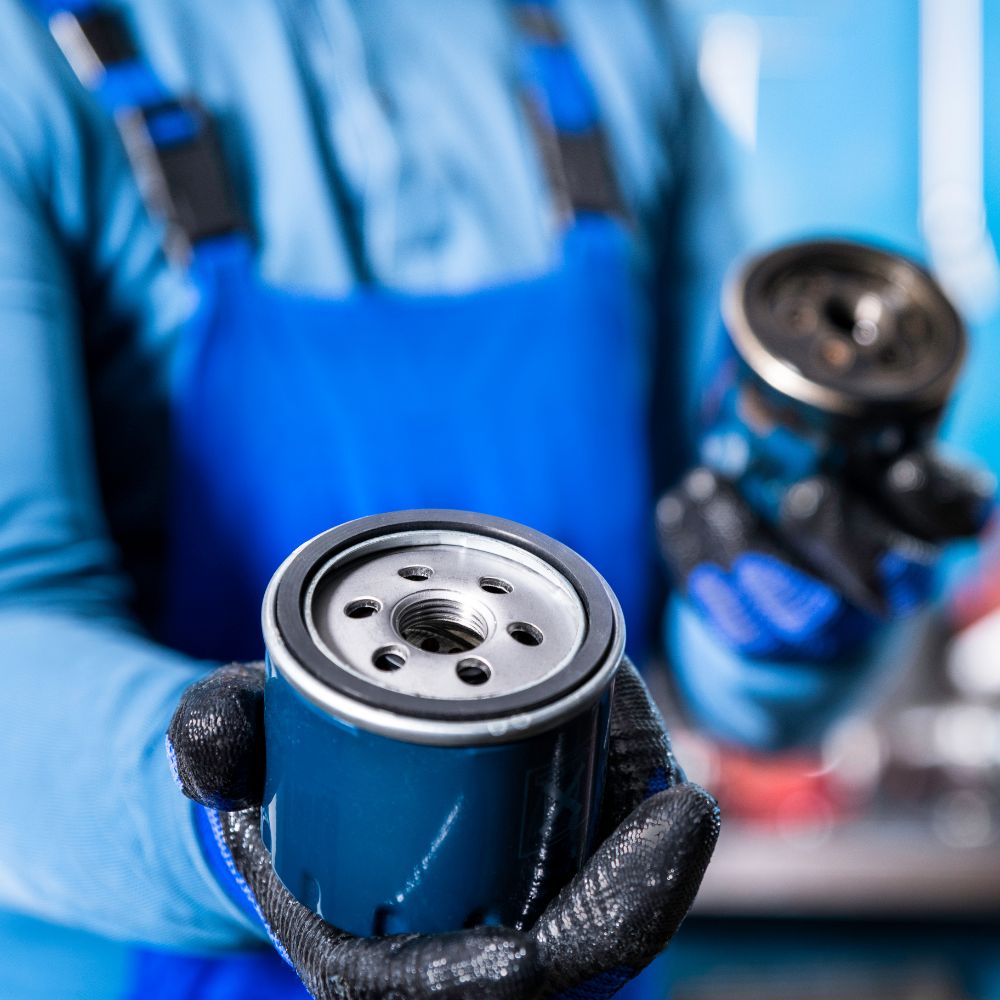
Truck filtration parts remove contaminants from the air, fuel, lubricants, hydraulic fluids and other media used by a commercial vehicle. Their main purpose is to prevent dirt, metal particles, water and other unwanted substances from reaching components that depend on clean air or fluid to operate correctly.
A commercial truck does not rely on a single filter. Engine air filters, oil filters, fuel filters, cabin filters, transmission filters and hydraulic filters each protect a different system.
Because trucks often operate for long hours, carry heavy loads and encounter dust, moisture and changing road conditions, filtration should be treated as an important part of preventive maintenance rather than simply a collection of disposable service parts.
What Are Truck Filtration Parts?
Truck filtration parts are components designed to separate contaminants from air, oil, fuel or other fluids before those contaminants can circulate through a vehicle system.
A typical filtration process follows a simple relationship:
contaminated air or fluid → filter media → contaminant separation → cleaner air or fluid → protected component.
Different truck systems require different filtration characteristics. An engine air filter must provide sufficient airflow while capturing airborne particles, whereas a fuel filter must protect precision fuel-system components while maintaining the required fuel flow.
This is why truck filters should be selected according to their application, specification and vehicle compatibility, rather than appearance alone.
Why Is Filtration Important in Commercial Trucks?
Contamination can accelerate wear inside mechanical and hydraulic systems.
Dust entering an engine can damage internal surfaces. Particles circulating in engine oil can contribute to wear between moving components. Water or debris in diesel fuel can affect pumps and injection equipment. Contamination inside a hydraulic circuit can damage pumps, valves and actuators.
Filtration creates a protective barrier between these contaminants and sensitive components.
Effective filtration can therefore help:
- protect expensive vehicle components
- maintain correct air and fluid flow
- reduce contaminant-related wear
- support consistent engine and system operation
- extend the useful life of lubricants and components
- reduce avoidable maintenance problems
Filters themselves, however, gradually collect contaminants. Their ability to perform correctly therefore depends on inspection and timely replacement.
What Are the Main Types of Truck Filters?
The filtration system of a commercial truck can include several distinct types of filters.
1. Engine Air Filters
A truck engine requires a continuous supply of air for combustion. The engine air filter removes dust, dirt and other airborne particles before intake air reaches the engine.
The filter must perform two tasks simultaneously: capture contaminants and maintain sufficient airflow.
As the filter accumulates dirt, restriction can increase. The appropriate maintenance response depends on the filter design and vehicle manufacturer’s instructions.
Our guide to truck air filter maintenance explains common indicators that an engine air filter requires attention.
2. Engine Oil Filters
Engine oil lubricates moving components while also carrying heat and suspended contaminants through the lubrication system.
The oil filter removes particles from circulating engine oil before the oil returns to sensitive surfaces.
Oil filters may include features such as:
- filter media
- anti-drainback valves
- bypass valves
- sealing gaskets
- housings or replaceable filter elements
A severely restricted oil filter can interfere with normal filtration or lubrication depending on system design.
If you are investigating a possible problem, see our guide to the signs of a clogged oil filter.
3. Diesel Fuel Filters
A truck fuel filter removes particles and, in many diesel applications, helps separate water from fuel before it reaches injection-system components.
Modern diesel fuel systems can contain precision pumps and injectors operating with tight tolerances. Clean fuel is therefore particularly important.
Some commercial vehicles use more than one filtration stage, such as a primary filter or water separator followed by a secondary fine filter.
Our guide to diesel truck fuel filters explains these applications in greater detail.
Restricted fuel flow can also produce symptoms that require diagnosis. Read about the signs of a clogged fuel filter if a truck develops fuel-delivery problems.
4. Cabin Air Filters
An engine air filter protects the engine. A cabin air filter, by comparison, filters air entering the driver’s compartment through the heating, ventilation and air-conditioning system.
Depending on filter design, cabin filtration can help capture dust, pollen, soot and other airborne contaminants.
A heavily contaminated cabin filter can also restrict HVAC airflow.
Our article on truck cabin air filter replacement explains why this frequently overlooked maintenance component matters.
5. Transmission Filters
Automatic and certain other transmission systems circulate fluid for lubrication, cooling and hydraulic operation.
A transmission filter captures contaminants present in the transmission fluid before they can continue circulating through sensitive components.
Transmission filter servicing should follow the requirements of the specific transmission because fluid specifications, filter designs and service procedures vary considerably.
Unusual shifting behaviour, noise or fluid problems require proper diagnosis rather than assuming the filter is responsible. Our guide covers the potential signs of a clogged transmission oil filter.
6. Hydraulic Filters
Commercial trucks equipped with hydraulic systems may use filtration to protect pumps, valves, cylinders and other precision components.
Potential hydraulic contaminants include:
- dust
- metal wear particles
- rust
- seal material
- maintenance residue
Different filters can be positioned at various points in a hydraulic circuit depending on its design.
Learn more about the benefits of hydraulic filters for trucks and the systems they protect.
What Other Filtration Components Can a Truck Use?
Modern commercial vehicles can contain additional filtration and separation components depending on their equipment.
Air dryer cartridges remove moisture and contaminants from compressed-air systems used in applications such as air braking.
Air oil separators separate oil droplets from gases in crankcase ventilation systems before cleaned gases are routed onward.
Urea or DEF filters can protect components within Selective Catalytic Reduction systems by filtering contaminants from diesel exhaust fluid.
These components operate differently from conventional engine oil, fuel or air filters but belong to the broader vehicle contamination-control system.
How Do You Choose the Correct Truck Filter?
Filter selection should begin with the vehicle specification.
Before ordering, confirm:
- truck make and model
- manufacturing year or model generation
- VIN or chassis number where appropriate
- engine, transmission or system type
- OEM or recognised cross-reference part number
- filter dimensions and connection type
- required application and operating conditions
Two filters can appear almost identical while differing internally in filtration characteristics, pressure requirements or dimensions.
Part-number and application verification should therefore take priority over visual matching.
Which Filter Specifications Matter?
Several technical attributes can influence filtration performance.
Filtration efficiency describes how effectively a filter captures particles under specified conditions.
Micron rating relates to particle size, although micron figures should not be compared without understanding how the manufacturer defines and tests them.
Dirt-holding capacity describes how much contamination the filter can retain before its performance becomes affected.
Pressure drop or restriction measures resistance created as air or fluid moves through the filter.
Flow capacity is important because the filter must provide filtration without preventing the system from receiving sufficient air or fluid.
For diesel fuel filters, water-separation capability may also be an important requirement.
The correct balance depends on the system. A filter should not simply provide the finest filtration possible; it must meet the engineering requirements of the vehicle.
How Often Should Truck Filters Be Changed?
There is no single replacement interval for every truck filter.
The correct service interval depends on:
- vehicle manufacturer recommendations
- filter manufacturer specifications
- distance or operating hours
- engine and system design
- environmental conditions
- fuel and lubricant quality
- vehicle workload and duty cycle
A truck operating in dusty construction environments may load an air filter differently from one operating mainly on paved highways.
Likewise, fuel quality and storage conditions can affect fuel-filter contamination.
For this reason, manufacturer service schedules should be the starting point, with actual operating conditions considered when planning fleet maintenance.
Regular fuel-filter servicing, for example, can help maintain fuel flow and fuel-system cleanliness. Our guide explains the benefits of changing a fuel filter.
What Are the Signs That a Truck Filter Needs Attention?
Filter problems usually appear as changes in the system the filter protects rather than through one universal symptom.
Possible indicators include:
- visible contamination
- reduced airflow
- abnormal restriction readings
- reduced fuel supply
- lubrication warnings
- transmission behaviour changes
- reduced HVAC airflow
- unusual system pressure
- maintenance warning indicators
These signs should not automatically be treated as proof of a failed filter.
For example, reduced engine power can result from fuel delivery, intake, turbocharger, sensor or engine problems in addition to filtration issues.
Correct diagnosis helps prevent unnecessary part replacement.
Should You Choose Genuine, OEM or Aftermarket Truck Filters?
Genuine, OEM and aftermarket filters can all have valid applications.
What matters most is whether the filter meets the required fitment, filtration specification, durability and operating requirements.
Established filtration manufacturers such as MANN-FILTER, HENGST and MAHLE produce filtration products for numerous automotive and commercial-vehicle applications.
Regardless of brand, buyers should verify the correct part number and obtain filters from a traceable supplier, especially when purchasing filters for fleet maintenance in volume.
Truck filtration parts form a contamination-control network across the vehicle.
An effective filtration strategy therefore involves more than purchasing replacement filters. Fleet operators should identify the correct filter, verify its specification, monitor operating conditions, follow appropriate service intervals and investigate abnormal symptoms before component damage develops.
Filtration is also only one part of commercial-vehicle maintenance. For a broader overview of the systems these filters protect, see our truck spare parts guide.
If you require help identifying filtration parts for a truck, bus or commercial vehicle fleet, contact our sales team with your vehicle information or existing part number.
You can also browse commercial vehicle filters and spare parts online when you already know the application or replacement part you require.